


Performance Under Pressure - Validating Heat and Grease Resistance in Sustainable Tableware
Mitigating Risk in Hot Food Service: Technical Validation of Heat and Oil Resistance for Sustainable Disposables

For foodservice providers relying on sustainable disposables for their take-out and delivery operations, material failure—leaking, softening, or deformation—is a direct threat to brand reputation and customer safety. This article provides B2B buyers with the technical parameters, testing protocols, and real-world performance data required to confidently assess the thermal and barrier properties of sugarcane bagasse and CPLA/PET tableware, ensuring reliable use with high-temperature and greasy foods.
1. Technical Benchmarking: Determining Reliable Thermal Limits
The perceived "weakness" of sustainable materials in heat is often due to a lack of precise engineering. We utilize advanced techniques to set verifiable and safe usage temperatures.
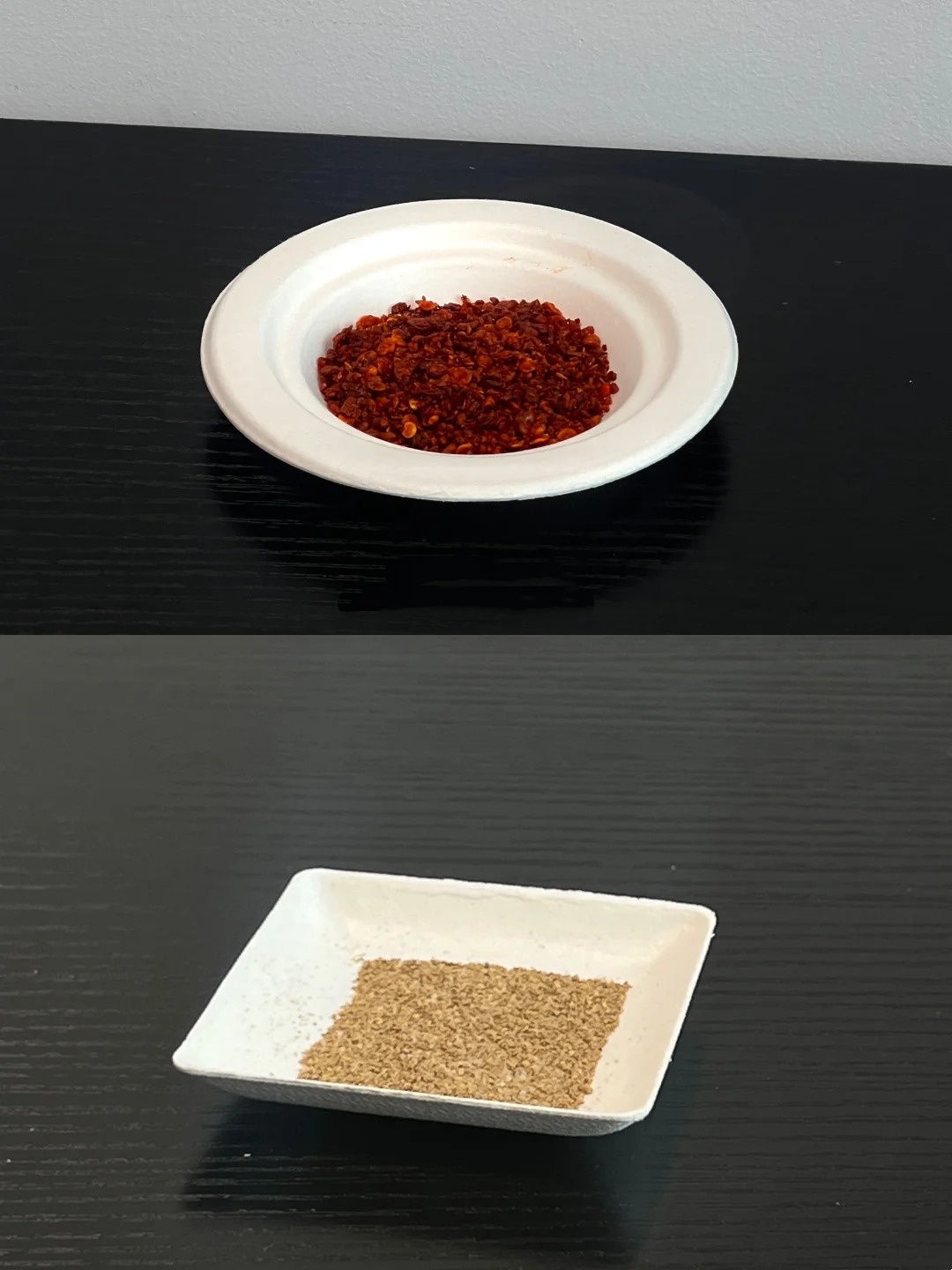
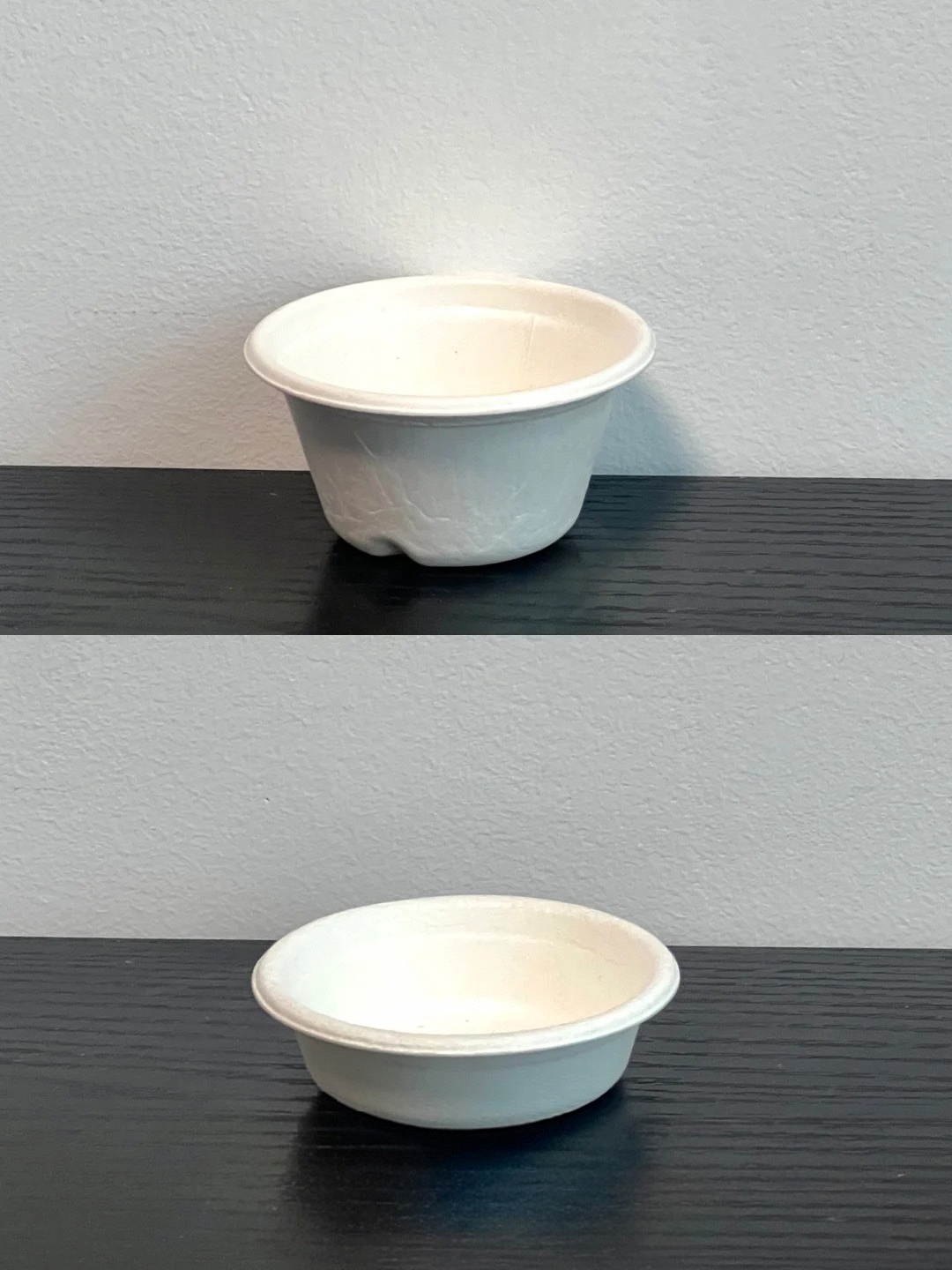
CPLA (Crystallized PLA): Engineered Thermal Stability
Heat resistance is fundamentally defined by its Glass Transition Temperature (Tg) and Melting Temperature (Tm). Through the crystallization process, the polymer chains are re-ordered, significantly increasing the CPLA's thermal stability.
Validated Performance: Our CPLA cutlery and containers have a confirmed stable use temperature up to 85°C. This is validated through Thermal Mechanical Analysis (TMA), which precisely measures material deformation under rising temperature, ensuring stability against hot coffee, tea, and typical delivery temperatures.
High-Density Sugarcane Bagasse: Structural Heat Resistance
As a fiber-based product, heat resistance is determined by density and specialized pressing techniques, not Tg.
Validated Performance: Our high-density molded bagasse pressing process yields items rated for service up to 100°C. This makes it the superior choice for high-temperature items like boiling soups and main courses straight from the stove.
2. Barrier Performance: Testing for Water and Grease Imperviousness
The integrity of disposable containers hinges on their ability to resist moisture and oil penetration over time—a critical factor for delivery services where hold times can exceed one hour.
Grease/Oil Resistance Protocol
Our testing aligns with the rigorous demands of EU Food Contact Standards, which requires a zero-penetration threshold over the expected service life.
- Process: We test bagasse containers by filling them with cooking oil heated to 90°C and monitoring the exterior for any sign of seepage over a prolonged period.
- Performance Data: Confirmed Compliance: Our treated bagasse containers demonstrated a penetration rate of less than 0.5% after holding 90°C hot oil for 4 hours. This far exceeds the typical delivery cycle and confirms suitability for heavily oiled dishes. (Internal Quality Control Report, 2025).
Shape Integrity (Deformation) Protocol
We test the structural stability of the containers when exposed to near-boiling liquids.
- Process: Containers are filled with water at 98°C and monitored for deformation for a 30-minute period.
- Performance Data: Our high-density bagasse sustained the 98°C exposure for 30 minutes, with the overall visible shape deformation rate measured at less than 3%, ensuring lids remain securely fastened during transport.
3. Scenario-Specific Usage Recommendations for B2B Clients
Matching the material to the thermal demand of the food item is essential for risk management and customer satisfaction in the Take-out & Delivery sector.
| Food Category & Temperature | Recommended Material | Rationale & Application Scenario |
|---|---|---|
| Boiling Hot Foods (85°C) | High-Density Sugarcane Bagasse | The required 100°C resistance handles fresh soups, stews, and main course items transferred directly from the kitchen to the delivery bag. |
| Hot Beverages/Warm Meals (85°C) | CPLA Cutlery/Lids or PLA-Lined Bagasse | CPLA is durable enough for cutting/scooping. The PLA lining enhances the moisture barrier without risking integrity below its melting point. |
| Cold Chain/Display Items (55°C) | PET (Clear) or PLA (Clear) | Ideal for maximum visual appeal (salads, desserts, cold drinks). PET provides superior rigidity for stacking and prolonged cold storage. |
4. Risk Mitigation and Certification for Buyer Confidence
To simplify procurement and compliance, we ensure that our performance testing aligns with globally recognized standards. The achieved low deformation and high barrier results directly support compliance with FDA and EU Food Contact Regulations concerning physical stability and non-migration of substances under temperature stress.
By relying on materials tested via TMA and validated against rigorous 90°C oil resistance standards, our clients can guarantee a safe and reliable service experience, thereby protecting their brand against leakage-related complaints.
Our commitment to technical validation provides B2B buyers with the confidence to integrate sustainable tableware into their high-demand operations without compromising on performance or safety. With certified heat and grease resistance, sustainable materials become a reliable, brand-enhancing choice for modern foodservice.